

📚To e-read or not to e-read: What’s the most sustainable way to read?
Physical books vs e-readers and what type of e-readers?

As well as being big Substack fans, here at FTF we’re also big readers (see our climate book recommendations in the cover image). I’ve found reading to be the number one way to stop me from doom scrolling before bed. I know it’s not just me that’s guilty of this - with physical media making a comeback to combat how much of modern life we spend behind a screen. But are all screens equal? An unfortunate Kindle drowning and the trait of sustainability professionals to question everything got us thinking about the sustainability of our reading hobby.
Keep scrolling to discover:
In Focus: Ros looks at the relative sustainability of different reading formats
Our Good(s) News roundup!
Flagging some upcoming events 👀
> In Focus…
The Sustainability of (e-)Reading
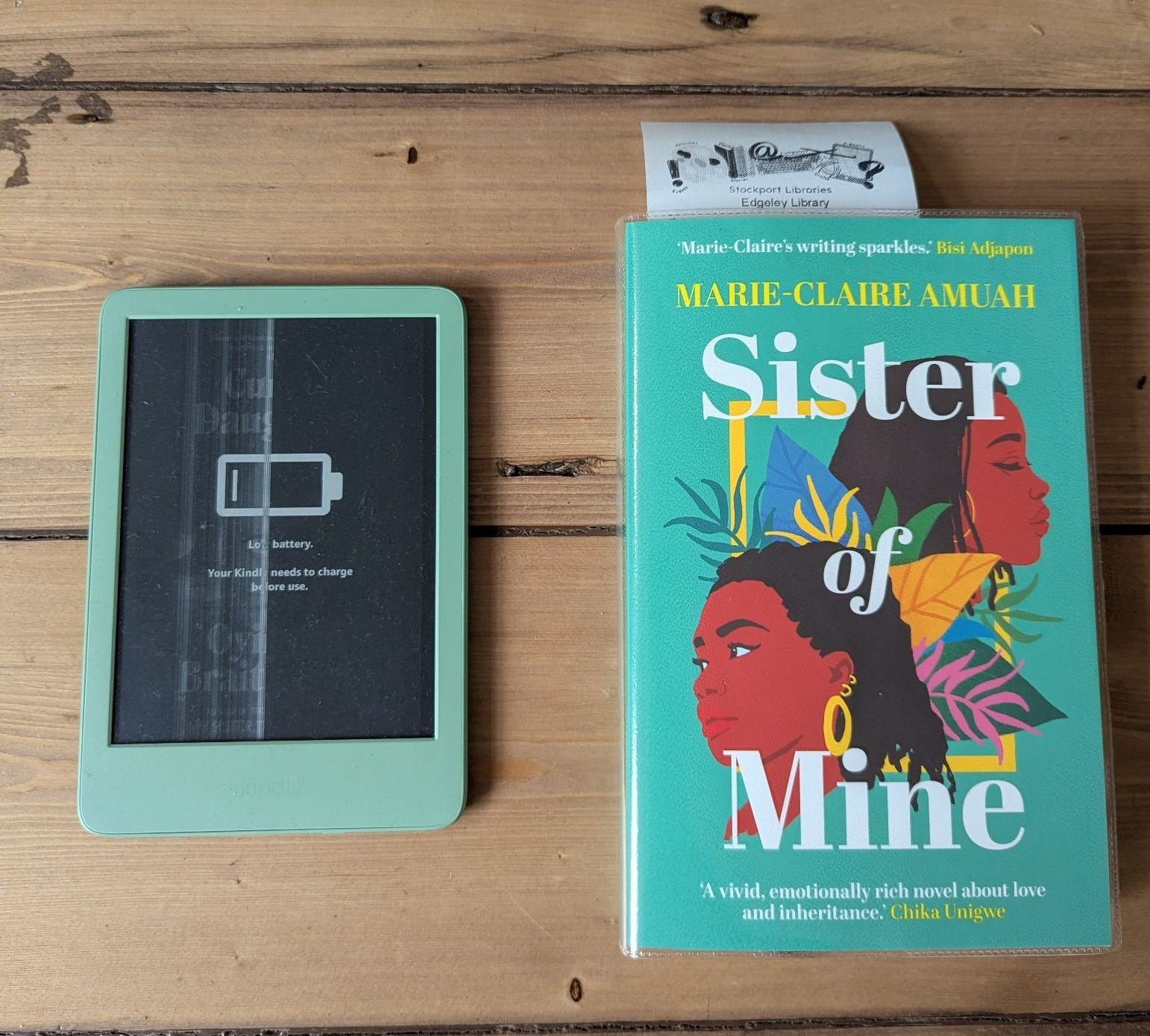
Recently I dropped my Kindle in the bath and, despite it being waterproof, it died. As with many electronic devices with absolute obsolescence built in, it was cheaper to buy a new device than get it fixed. I did find a handy electronic recycling drop-off locator by recycle your electricals to combat the rising risk of fires in bin lorries from batteries going in household bins, but of course not as ideal as if it could have been fixed or didn’t break in the first place!
It got me thinking of how sustainable my reading hobby is so I did some research I wanted to share in case you also drop your Kindle in the bath or are just curious!
So what’s more sustainable: an e-reader (and which one) or physical books?
Physical Books
Starting with the traditional paperback book its major impact comes from the pulp and paper production required to manufacture the book, accounting for 86% of their carbon emissions of 2.71kgCO2e per book. Collectively book publishing is the third-largest industry contributing to global pulp and paper emissions, which contribute 2% of global emissions from industry.
However, paper emissions are just one part of their impact story (forgive me). Paper production requires large amounts of wood, which when harvested unsustainably can drive deforestation and the associated loss of biodiversity, livelihoods and climate change as we all know.
E-Reader
All of these impacts outlined above of the paper supply chain are intensified by the fact that the majority of us only read a book once. So are multi-use e-readers the solution?
If we focus on the carbon, an Amazon Paperweight 12th Generation emits 35kg CO2e over its lifetime. 96% of this comes from materials and manufacturing. So if we assume these studies have the same boundaties this would mean you need to read approximately 30 books on your kindle for it to be lower carbon than reading physical books.
However, as with physical books, a Kindle’s carbon is not its whole impact. There are multiple human rights as well as environmental impacts associated with the mining of the heavy metals and rare earth minerals needed for the construction of an e-reader. After its use, there is also the issue of e-waste associated with illegal operations and threats to human health and the environment (as components are toxic and accumulate in the environment), especially with the growing informal sector to recycle the valuable components in e-waste. The quantity of e-waste is only expected to increase to 120 million tonnes by 2050 with only 35% of e-waste being officially recycled.
There have also been reported cases of planned obsolescence where working devices brought pre-2012 will no longer be able to support the purchase of new books. This raises the wider point as with any product, if you buy it you are directly supporting that company and in this case the ethics of Amazon.
The Ethical Consumer shares alternate e-readers to Kindle, including Kobo who have a repair partnership with iFixit we spoke about in our previous article as well as ability to read library books on your e-reader through the OverDrive/Libby App.
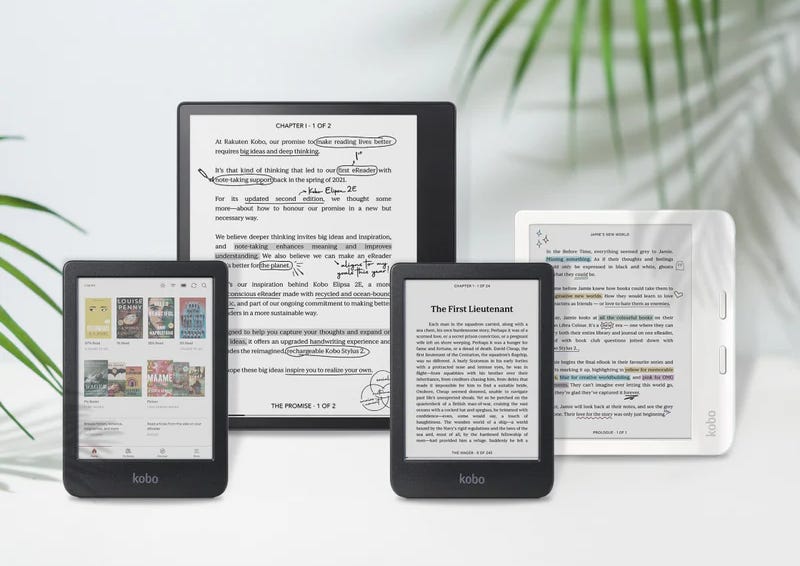
Other alternative e-readers include Boox focusing on eye health, with 3 year warranty and their own used devices marketplace. Instead of buying a specific e-reader you could also read e-books on the mobile or tablet devices you already own, but this defeats the point if you’re reading to reduce your screentime or blue light exposure.
So which is better? Both have benefits and drawbacks with their use of natural resources and disposal. If I was to have done this research prior to making a decision I would have gone with a Kobo, but perhaps the most sustainable solution is to use what we, or our community, already own through:
Tips for more sustainable reading
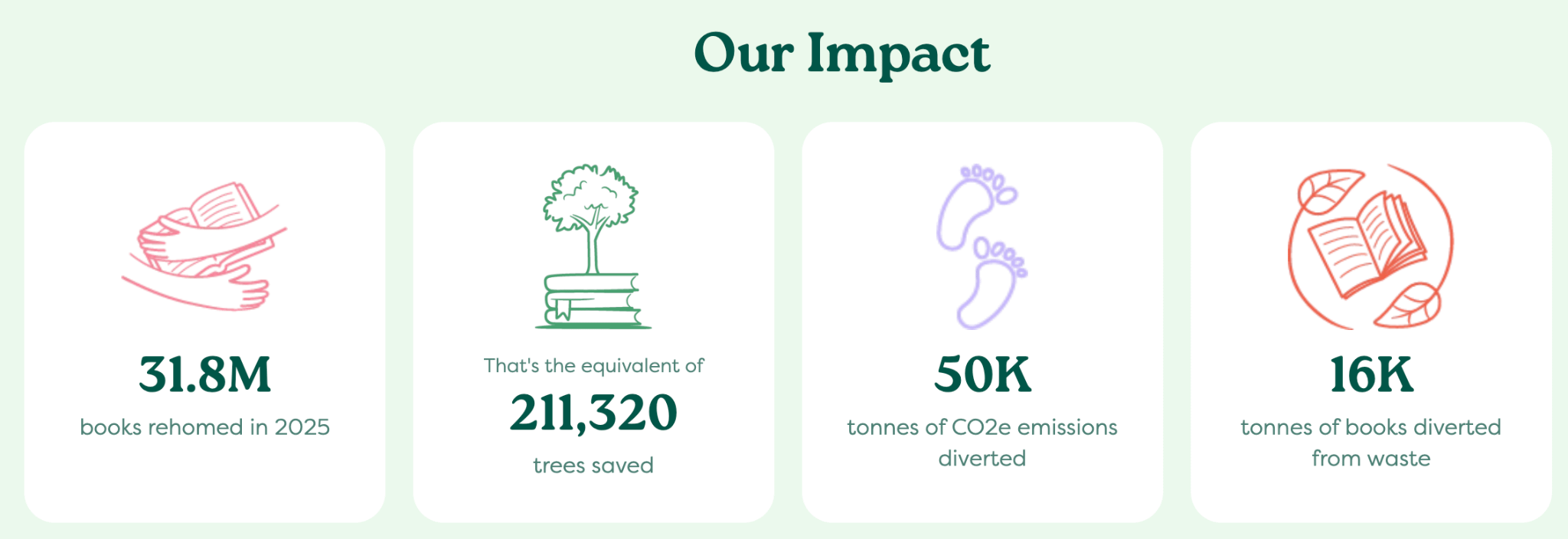
Buying second-hand books: through charity shops which have the additional benefit of funding charity work, from peer-to-peer resale sites like Vinted and ebay, as well as specialist sites like World of Books who reported they diverted 16k tonnes of book waste and 50k tCO2e emissions in 2025. This also applies to e-readers with there being lots available on resale platforms like Vinted (with their new electronics category) and ebay.
Sharing your books: lend the books you already own to your friends or ask to borrow books from them. Host a bookswap with your colleagues to increase the use of your book and so impact per read.
Supporting your local library: it’s free, funds additional community engagement and education events, and is fully in line with the principles of the circular economy.
** This is not to discourage anyone from reading or make anyone feel guilty! Everything we do has an impact. This is also not an endorsement of any specific brands, but just exploring what the impact behind reading is.
> Last two weeks in consumer goods x climate…
The Good(s) News
🥗 Charlie Bigham’s won The Grocer’s Gold Award for having zero edible food waste since 2025. Not too shabby for a company in the food industry!! They’ve been working with partners like FareShare UK and City Harvest to put any excess food to excellent use.
🧻 Cheeky Panda has been awarded the EcoVadis Platinum Medal. Platinum puts them into the top 1% of companies assessed on the platform. They’re on a roll! (resisting the urge for a sillier pun about starting at the bottom and coming out top)
🪥 Our friends over at SURI have launched a refillable toothpaste. The reusable bottle is made from 50% recycled plastic. The refill containers are made from Vivomer, a home compostable plant-based material (remember, that means you shouldn’t throw it in the recycling bin!).
🥃 EVRYTHNG has just announced a partnership with Shambala Festival. The festival will stock Evrythng’s not-for-profit gin, rum and vodka. 100% of profits made by Evrythng goes to funding climate initiatives.
🌿Amcor has partnered with Kelpi to test the seaweed based coating with fibre-based packaging. The partnership will check how viable the coating is from a commercial and scalability perspective. If successful, it could reduce packaging company Amcor’s reliance on fossil-fuel polymers.
Have good news? Share it with us - info@followingthefootprints.com!
Want to look smart in your work chat? Share this newsletter! Promotion guaranteed.
> Bulletin board
📆 We have some exciting events to share
Thursday 16 July - Online - Laura and I will be talking all things EcoVadis in a little lunch and learn. Join if you are curious about the assessment or already using the platform!
Wednesday 29 July - London - The FTF team is collaborating with Little Moons (your fave mochi brand) to screen the People’s Emergency Briefing. Spots are limited so grab your ticket as early as possible! We will share more about the event in upcoming comms.
Do you have a topic in mind that you would love us to cover? Get in touch! We want to make sure we are diving into the topics that you find most useful and interesting.
Until next time!
Team FTF
 | A guest post by
|