

📝 Multiple teams, one document: the bit of impact reporting nobody talks about
Words of advice from a Senior Copywriter

In the sustainability space, we love an impact report. There aren’t too many professions that work so consistently and quietly behind the scenes that get to publicly showcase their work once a year (is this what it feels like to be an accountant preparing end of year accounts?). But it isn’t just the work of the sustainability manager as we all know. There is no such thing as sustainability in a vacuum, it takes every department pulling their weight. And then when it comes to publishing the impact report you have even more interested parties!
Keep reading to discover:
In Focus: Rebecca delves into what it takes to write a great impact report with Senior Copywriter Amber
Our Good(s) News roundup!
> In Focus…
A Copy Writer’s Guide to Impact Reporting
I read a lot of impact reports and the good ones genuinely stay with me. Beautiful photography, charts that make sense at a glance, a genuine founder’s letter and imperfection showcased not hidden.
Writing one, though, is one of those jobs that looks straightforward until you’re doing it. You’ve got the data. You’ve got a year’s worth of real work behind it. All that’s left is to type it all up and share it. Simple, but then you open the document and realise how many people need to see themselves in it.
Because an impact report isn’t really one team’s document. It’s the point where multiple sets of expertise have to meet on the same page. Your ESG team knows what actually happened and what the numbers can and can’t support. Your copy team knows how to make someone care by page three. Legal and compliance know which claims will hold up And your board knows the strategy the whole thing is meant to reflect: where this sits in the business, and what you’re promising next.
Every one of those perspectives is right. They just don’t automatically agree.
And the stakes have quietly risen. The CMA can now issue fines of up to 10% of global turnover without going to court, and from 27 September 2026 the EU’s Empowering Consumers Directive bans generic green claims outright. Nobody’s writing an impact report in a vacuum any more.
Which, if you’re drafting a report this summer, makes the legal voice in the room rather louder than it used to be.
Every one of those perspectives is right. However, sometimes they just don’t automatically agree. The ESG team’s precision can read as caution. The copy team’s warmth can read as risk. Legal caveats can flatten a genuine achievement into something that sounds like nothing much happened. Getting all perspectives onto one page, in one voice, without losing what makes any of them valuable - that’s the actual work.
We’ve talked before about what makes a good impact report that people actually read. What we haven’t talked about is how one gets made. So sat down with Amber Morgan, Freelance Senior Copywriter, who has a host of experience sitting right in the middle of exactly this.
Q&A
📢 Tell us a bit about your work - what kind of writing do you do?
I’m a freelance senior copywriter specialising in brand language. With over a decade in-house at some of the UK’s most well-known global consumer brands, I’ve written for every customer touchpoint in industries spanning lifestyle, beauty and fashion.
📢 How did impact reports become part of your work?
As the regulatory landscape has evolved over the years, substantiated product claims and content like impact reports have become a part of the brand narrative, so I naturally found myself getting involved in these projects. I love the challenge they present – as a copywriter, it’s incredibly satisfying to bring multiple perspectives together in one distinctive voice, and I think there’s a huge amount of untapped creative potential in how brands approach these reports.
📢 What’s different about writing an impact report compared to the other work you do for a brand?
It can feel less creative than, for example, an integrated campaign, but it’s perhaps more of a challenge because you’re working within so many specific guidelines while trying to bring the brand voice to life. It’s a fine line to walk, but when done well the result can be an incredible reflection of the brand, its achievements and its goals, and engage a larger audience than a document crammed full of statistics and jargon.
📢 What’s the bit of the creation of an Impact Report that people would be most surprised by or often underestimate?
From a copy perspective, perhaps the amount of time needed to ensure that no single word is misleading – even the smallest use of a word like ‘has’ or ‘will’ can change how a sentence or statistic lands. Oh, and proofreading everything twice. Actually, make that three times!
📢 Do you have a favourite report you’ve worked on, and what made it click?
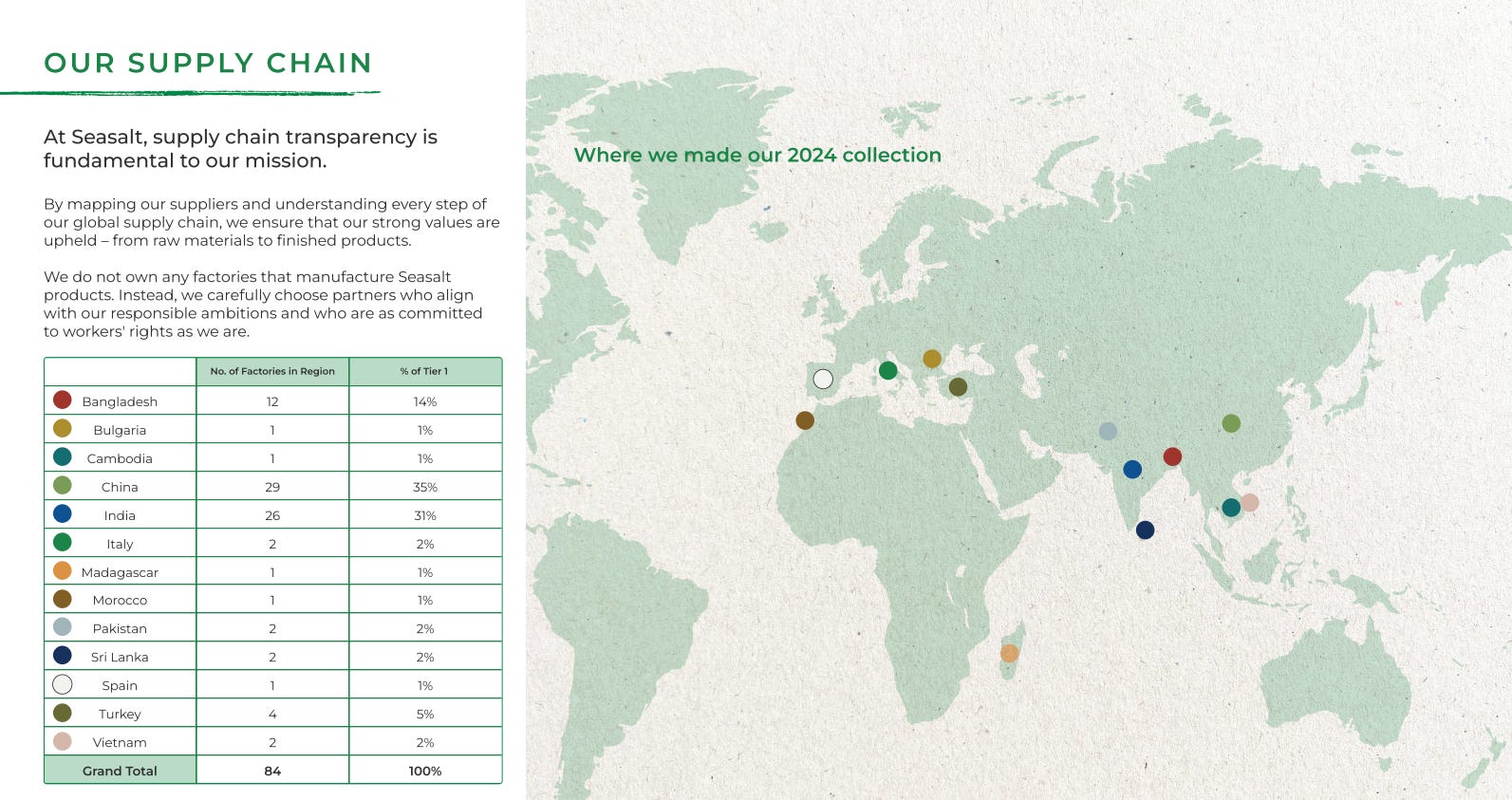
I worked on a report for Seasalt Cornwall. It was great to see the brand taking a more reader-centric approach, thinking about how to make the data feel alive and easy to digest both visually and verbally, rather than just sharing statistics, achievements and goals as a tick-box exercise. There was a strong shift away from a corporate register towards the brand voice, which helped retain warmth where reports of this kind usually go flat.
📢 How do you get multiple teams with very different instincts to agree on one draft?
Collaboration is key, as is compromise. But it’s the same with any project when you work with a brand or in-house. It helps if feedback is specific, objective and rationalised, but the most important thing is that you are all on the same page when it comes to producing the best possible outcome for the brand and the reader.
📢 What’s one small thing any brand could do to make next year’s report better, even without a big budget?
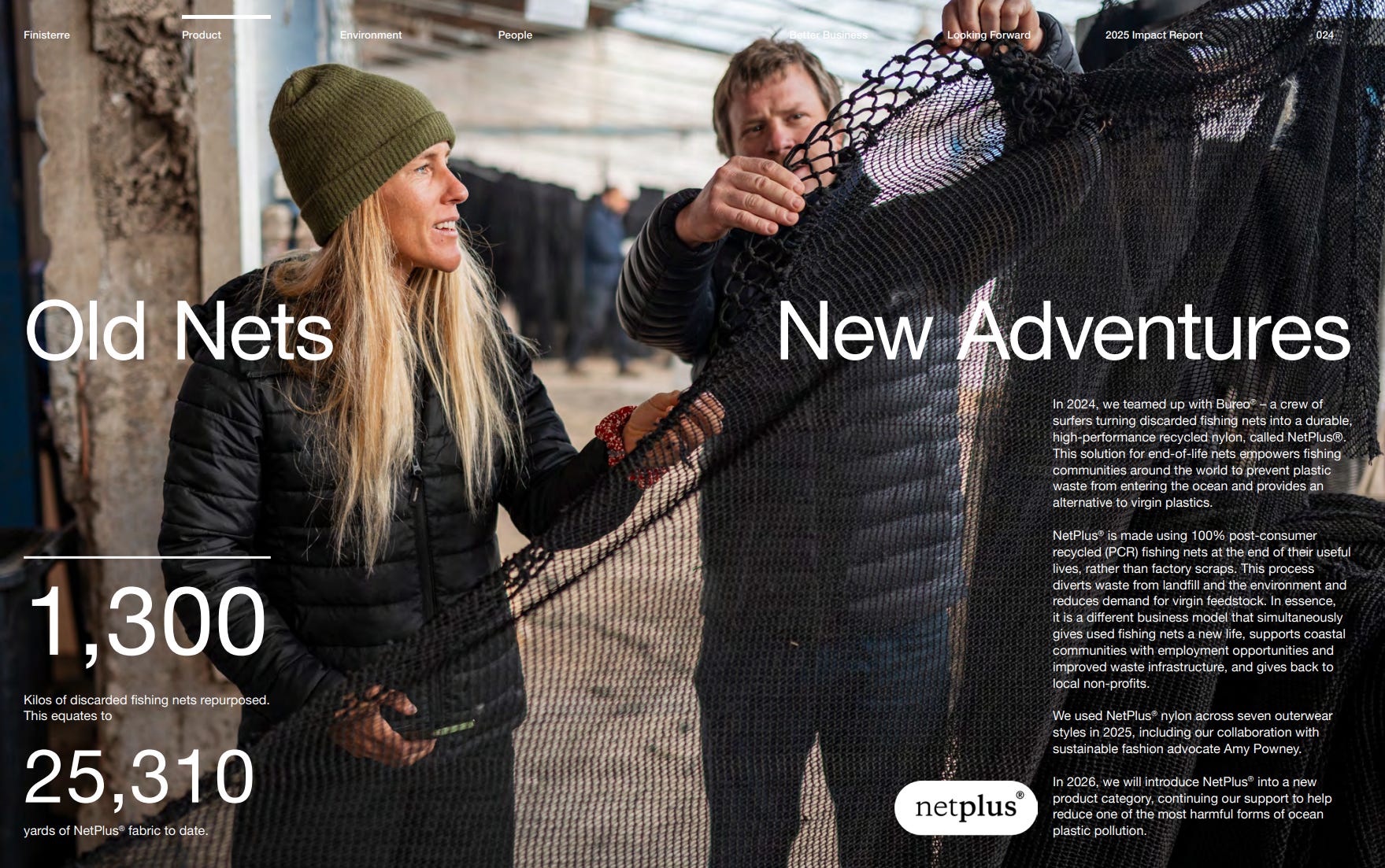
I would say one of the easiest things a brand could do is think about how they can make the content engaging for, and relevant to, their customers. It’s a big challenge to take dry data and give it some personality, but even a small shift to a more conversational tone, or thinking about how to make the facts they are sharing relatable to the reader can make a difference, especially when paired with investing time into the design of the report so that it’s visually arresting.
📢 Once it’s published, what’s the most-missed opportunity?
Treating publication as the finish line. So much time and budget goes into producing the report, and then it often sits on a landing page waiting to be found. The content inside it is some of the most useful material a brand will produce all year - it just isn’t in a format anyone will encounter naturally. A single statistic can carry a social post, a paragraph can become a newsletter, or a specific section can be reworked into a blog. The same goes internally: teams who spent months on the work often never see how their contribution was told back to the outside world. The report doesn’t have to be the only place the story lives.
📢 What makes you keep reading someone else’s report past page five?
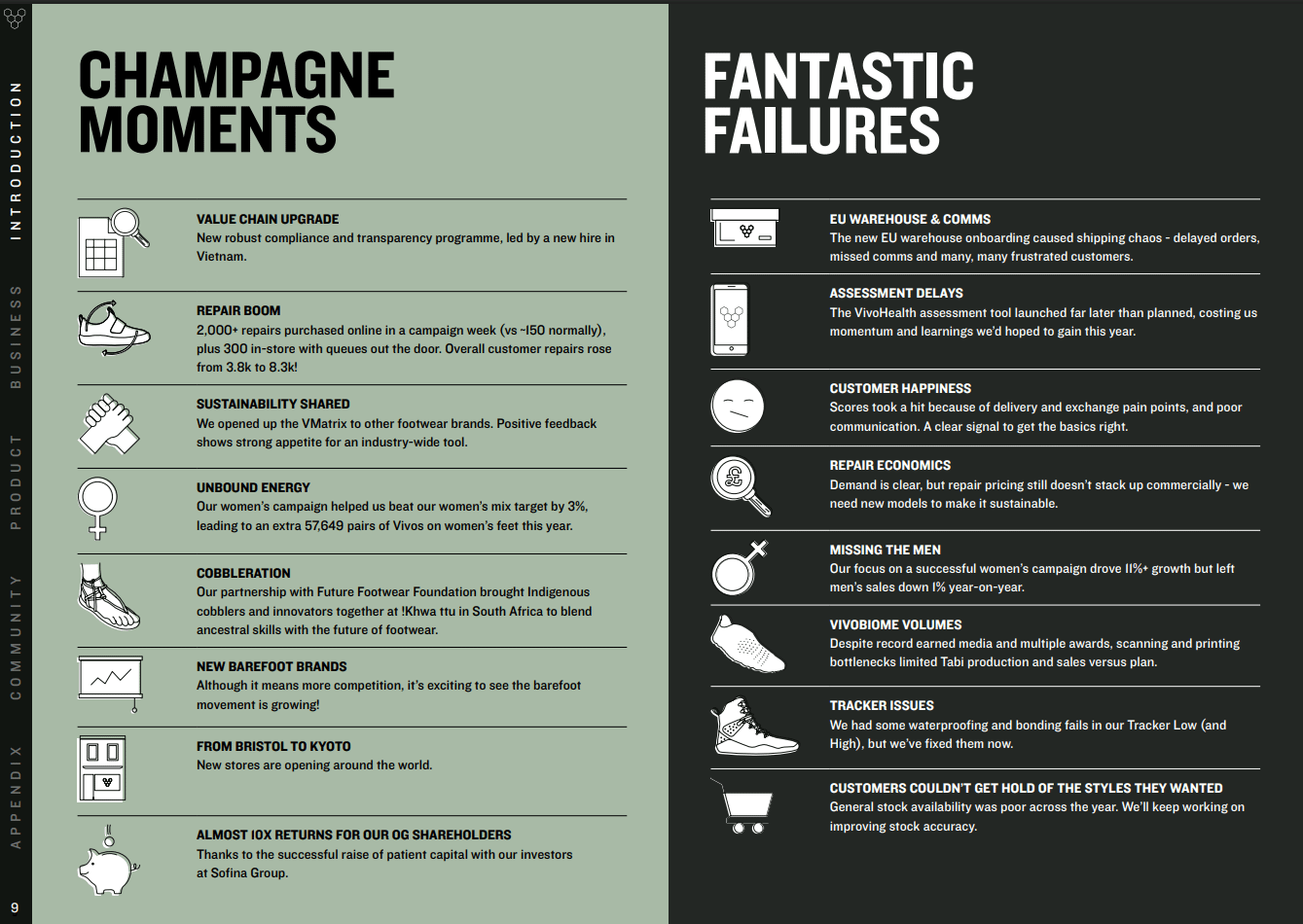
It has to be how compelling the content is, both visually and verbally. Some reports are not only beautifully (or unexpectedly) laid out with clearly signposted achievements or facts but are permeated with the brand’s tone of voice, so reading it feels like a true extension of the brand experience. It makes for a much more inspirational piece of work, getting you excited about what the brand has achieved and where they are going next.
A few days after my chat with Amber, the line still rattling around my mind is her point about ‘has’ versus ‘will’. A single word, and the whole meaning of a statistic shifts. That’s the level credible and standout reports work at - which explains why it takes so much longer than anyone plans for and why proofreading three times (or more) isn’t excessive!
But the thing that properly sparked a moment of pause for me was what she said about publication. All those months of work, all that care over single words and then the report goes and sits on a landing page waiting to be found. It’s some of the best material a brand produces all year, in the one format nobody encounters by accident.
So here’s my takeaway, borrowed wholesale from Amber. It’s all a collaboration - and that doesn’t stop when the thing goes live. Publishing isn’t the finish line. A stat is a social post. A paragraph is a newsletter. And make a bit of noise about it internally- this is a year’s worth of everyone’s work, written down.
Working on yours at the moment? Hit reply and tell me where you’re stuck or what you are enjoying!
> Follow up with…
📷Cover image: Photo by Hal Gatewood on Unsplash
> Last two weeks in consumer goods x climate…
The Good(s) News
🌾Wildfarmed will be supplying 51% of the wheat for all KitKats sold in the UK. The wheat comes from Wildfarmed’s community of British farmers that use regenerative farming practices to help improve soil health, minimise water use, and reduce carbon.
♻️ Cooking spray brand Frylight have redesigned their pump to remove the metal spring in the mechanism, meaning you can recycle the whole spray bottle without disassembling it! We love a simplified design 😍
👖Urban Outfitters is the latest brand to partner with Reskinned to launch a take-back scheme. There are now 30 brands using the platform, including one of our fave brands, Finisterre. 30% of the clothes that reach Reskinned make the resale grade, 40% is repurposed and 30% is recycled responsibly.

🔁 Speaking of fabric recycling, textile recycling startup Syntetica has raised €26.1 million to scale up it's process for recycling mixed nylon textiles. The company says that the need to identify and separate different nylon types was one of the biggest technical barriers to scaling nylon recycling.
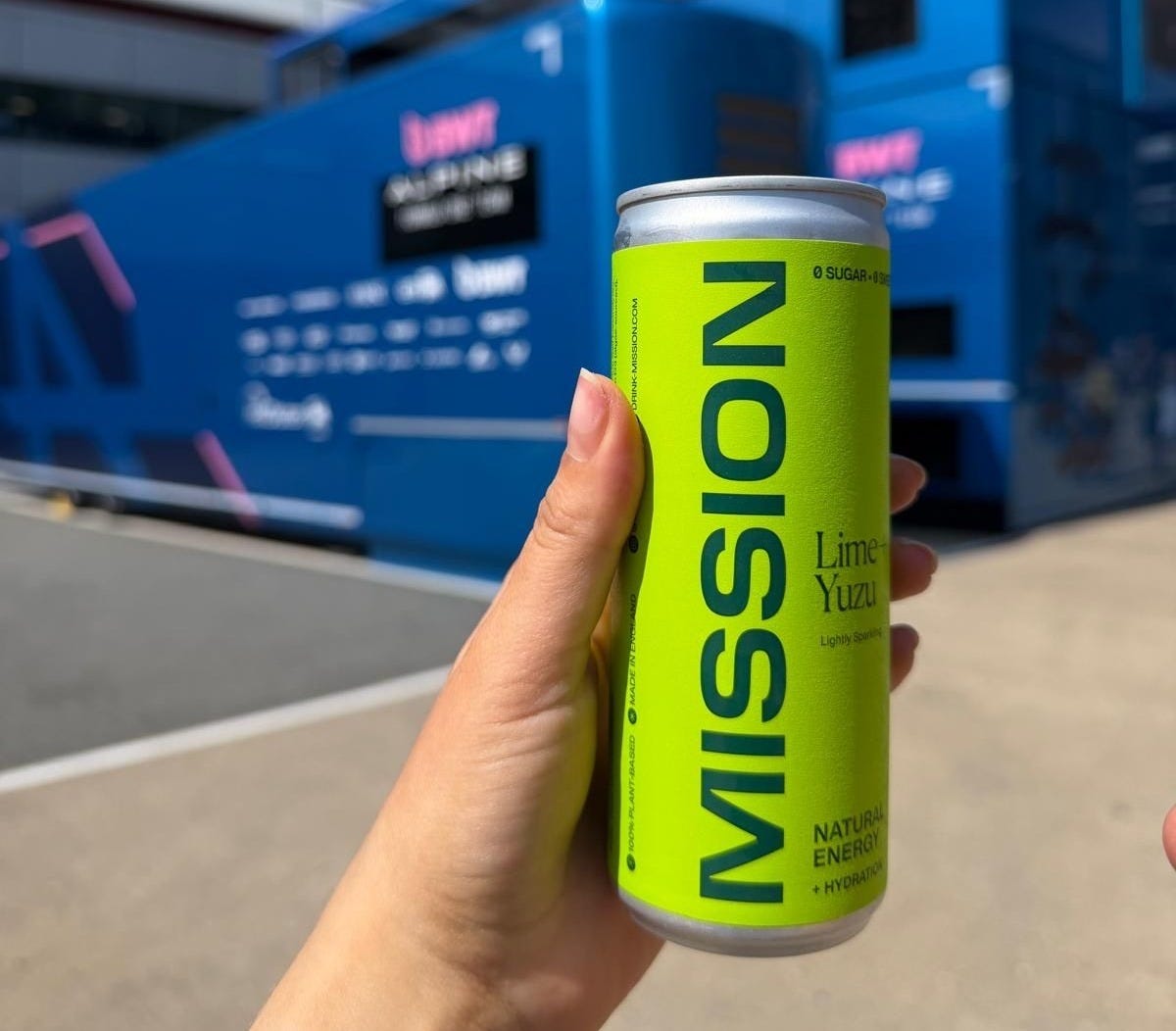
🅱️ Coffee roasters Fire & Flow have certified as a B Corp. The same goes for performance drinks company Mission!
Have good news? Share it with us - info@followingthefootprints.com!
Want to look smart in your work chat? Share this newsletter! Promotion guaranteed.
> In case you missed it…
🌱 How to write an impact report that people will actually read

Today we’re going to spotlight the brands that have nailed their impact reporting - and why it’s worth every company’s time to invest in telling their story well. Because when done right, impact reports don’t just inform. They inspire. Read on to find out how you can make your next report kick ass.
Do you have a topic in mind that you would love us to cover? Get in touch! We want to make sure we are diving into the topics that you find most useful and interesting.
Until next time!
Team FTF
 | A guest post by
|